


info@yako-hw.com | +86-13380989888 0750-3278683
HomeProducts Door Lock Mortise Lock Mortise Sliding Door Lock
Product Categories
  • Mortise Sliding Door Lock
  • Mortise Sliding Door Lock
  • Mortise Sliding Door Lock
  • Mortise Sliding Door Lock
  • Mortise Sliding Door Lock
  • Mortise Sliding Door Lock
  • Mortise Sliding Door Lock
  • Mortise Sliding Door Lock
  • Mortise Sliding Door Lock
  • Mortise Sliding Door Lock
  • Mortise Sliding Door Lock
  • Mortise Sliding Door Lock
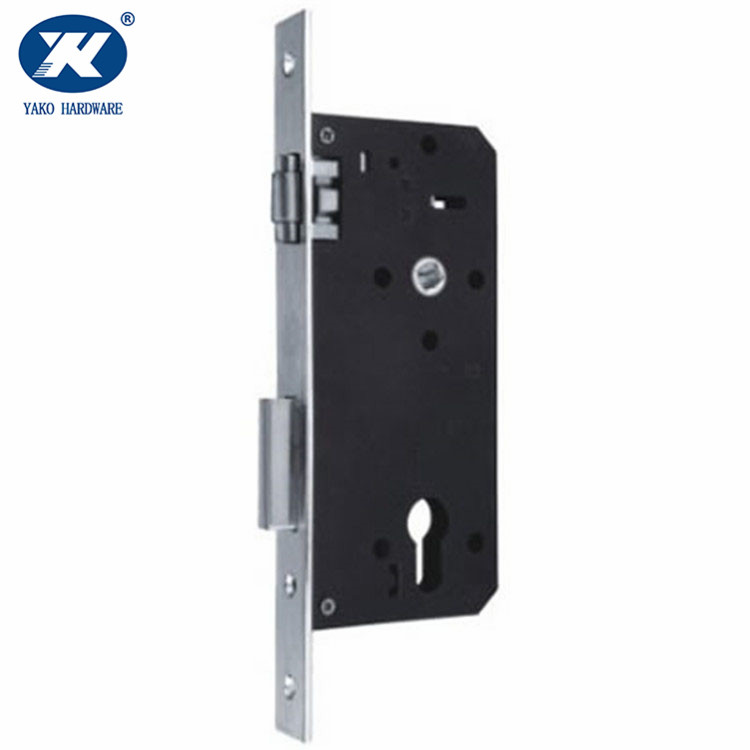
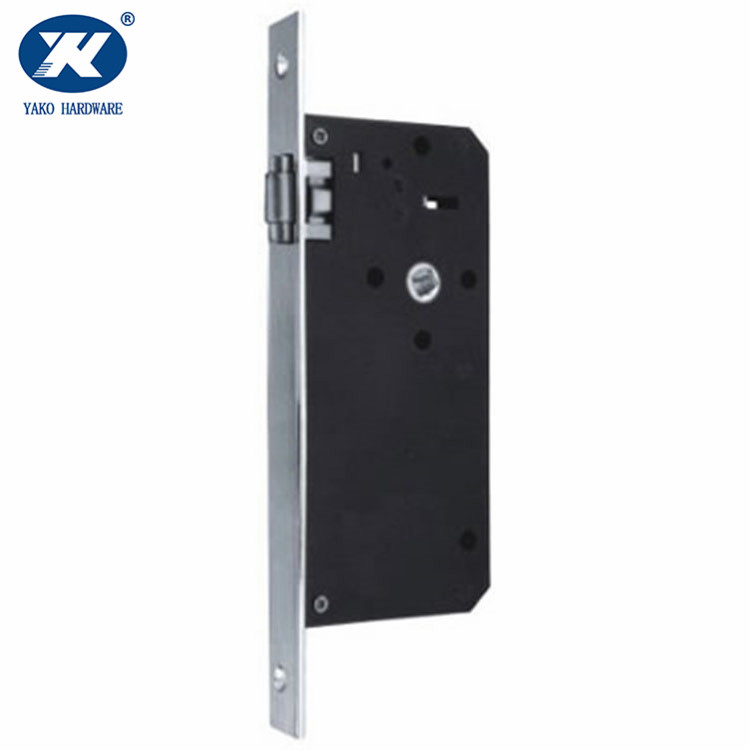
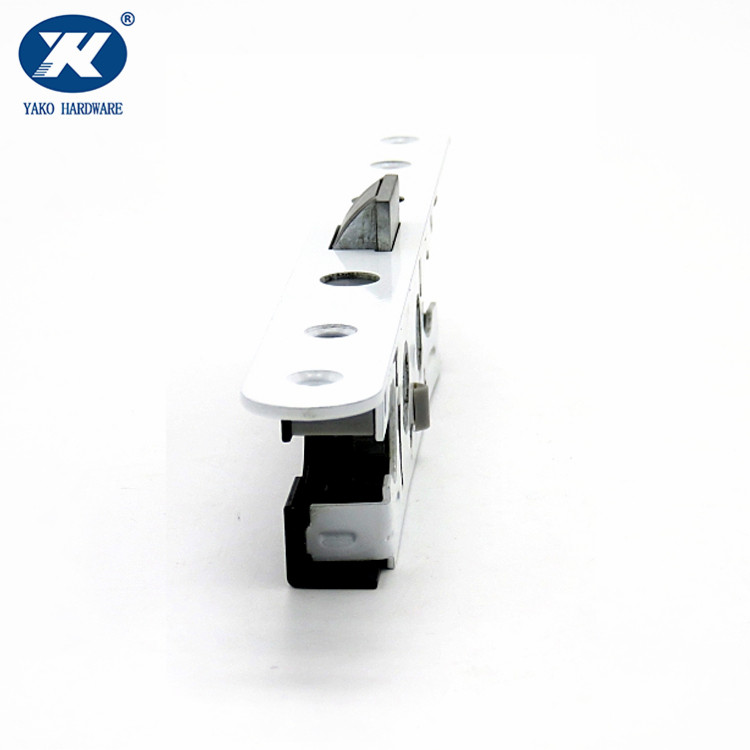
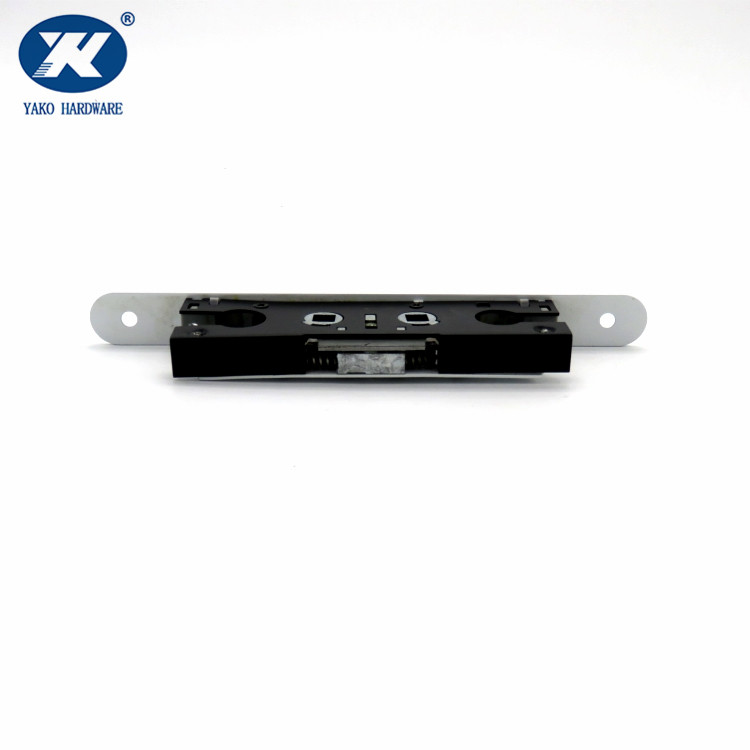
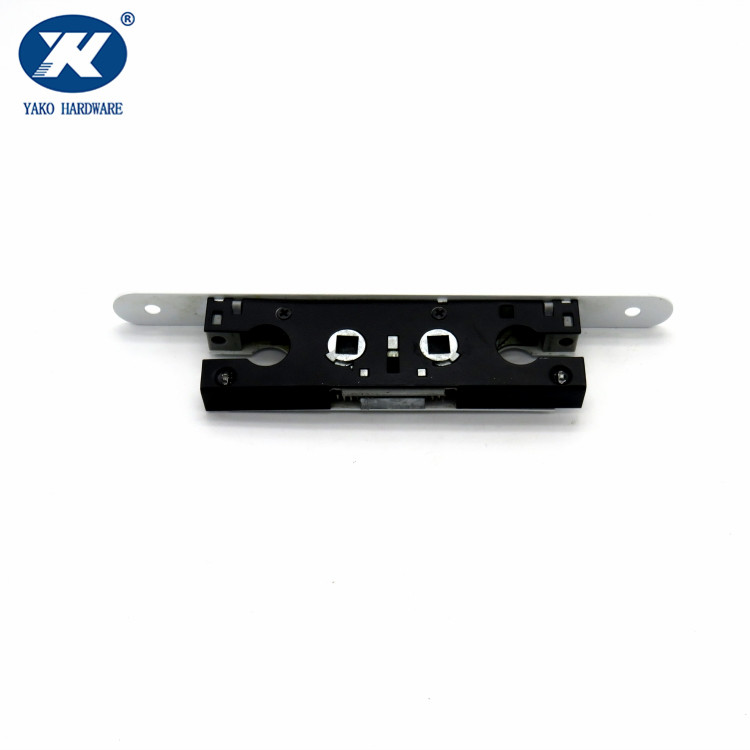
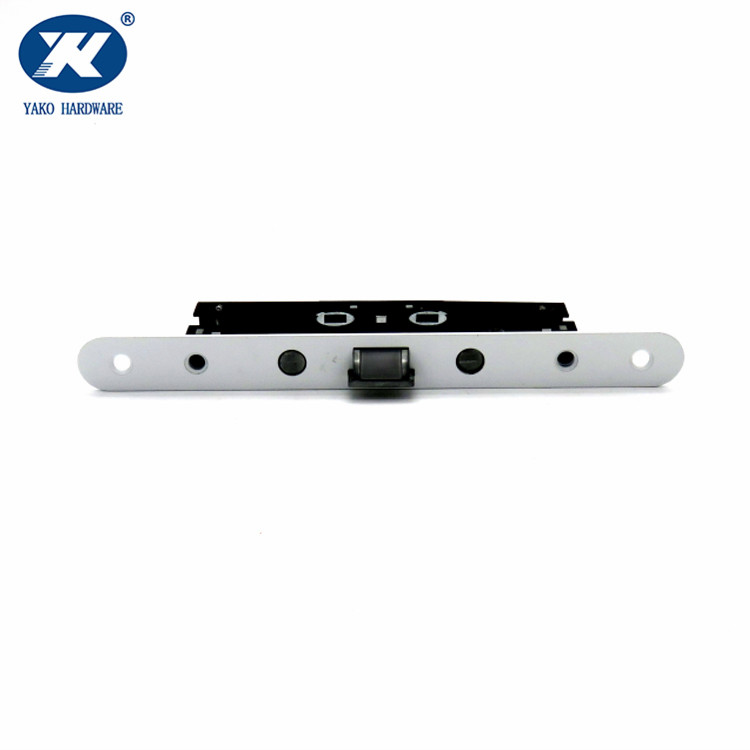
Mortise Sliding Door Lock

Mortise Sliding Door Lock

In addition to its sturdy construction, the lock body is designed to be smooth and easy to use. The lock's ergonomic design ensures it can be operated easily, reducing the risk of user error, making it a convenient option for employees and homeowners alike. This user-friendly design sets the lock apart from other security solutions on the market, making it a top choice for those looking for a worry-free locking system.
  • Product Information

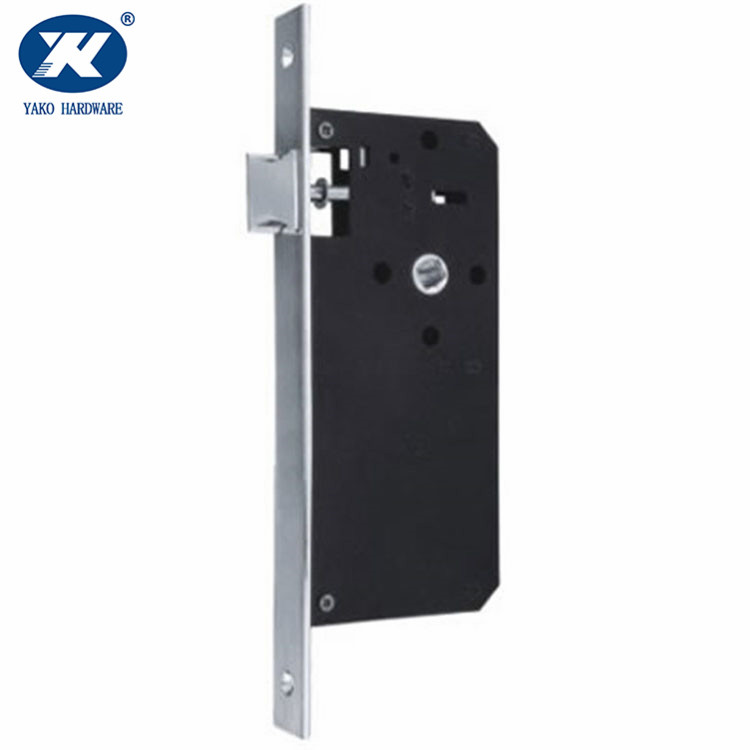
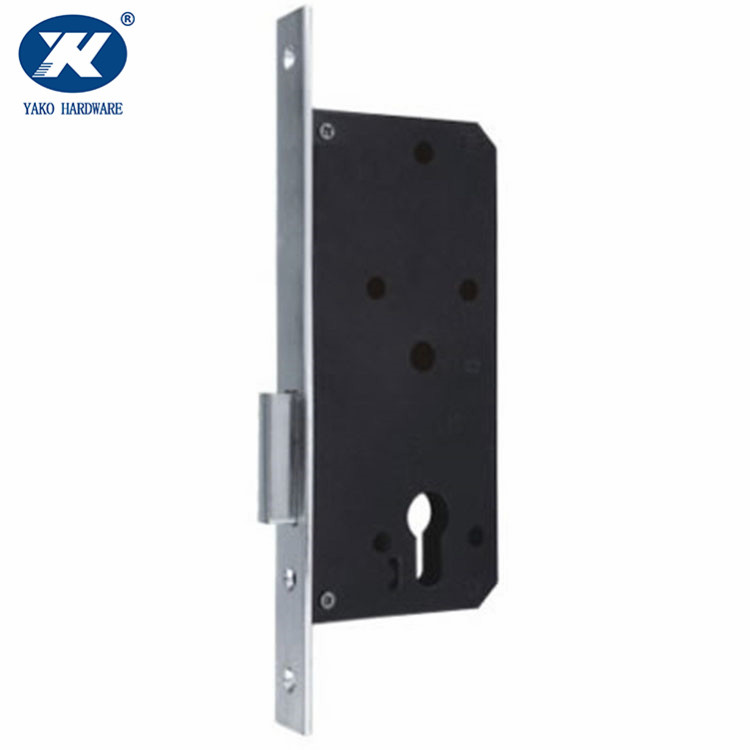
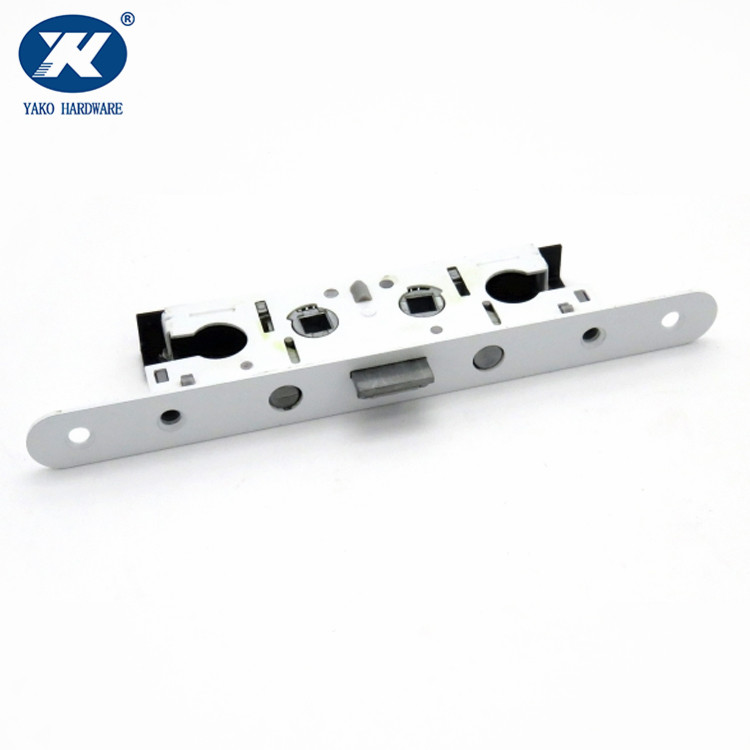
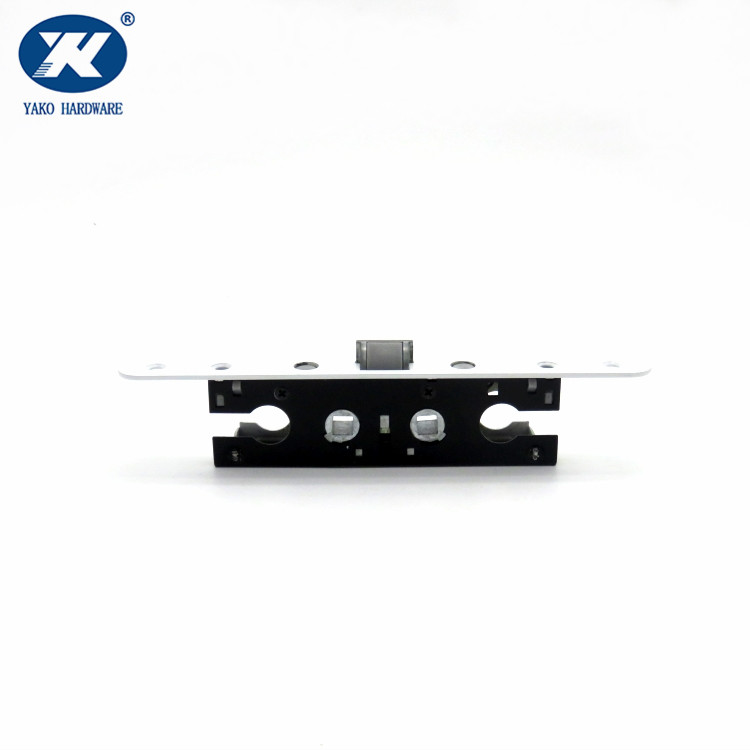
This Mortise Sliding Door Lock is a reliable solution for enhancing security and convenience in sliding door applications. Crafted with a sleek design, it integrates seamlessly into doors, offering a compact profile that suits various door styles. The Mortise Sliding Door Lock is made from durable materials to ensure long - term stability and resistance to wear. It supports secure locking and smooth sliding operation, making it ideal for residential or commercial sliding doors. With precise engineering and quality construction, this Mortise Sliding Door Lock provides reliable performance while maintaining a tidy appearance, adding both functionality and aesthetic value to your doors.
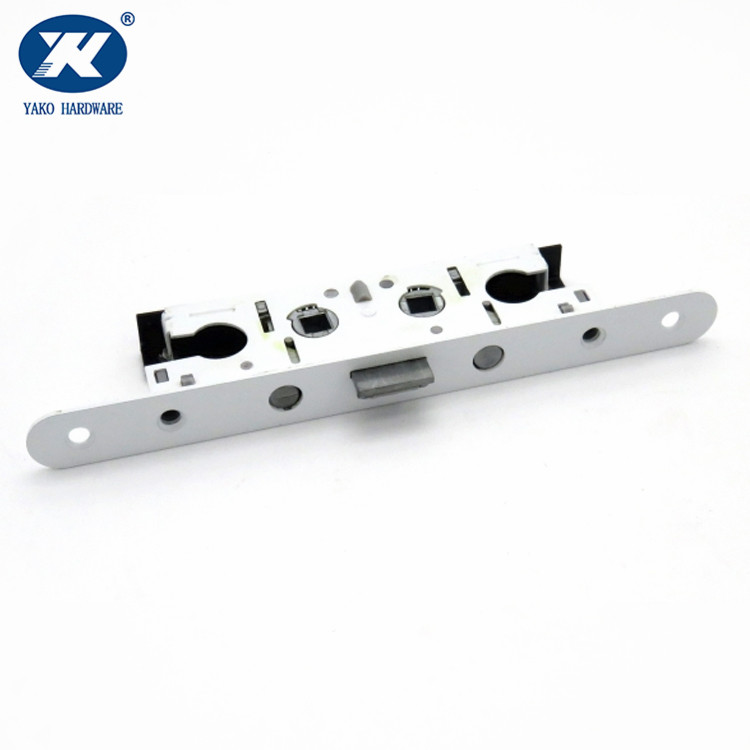

Mortise Sliding Door Lock


Mortise Sliding Door Lock Specifications:

ItemParameter
Model NumberYML-201
MaterialStainless Steel/Aluminium Alloy/Brass/Zinc Alloy
FinishSSS/PSS/PVD/SN/CP/AB/ACM/PB/SB/customized

Warranty

1Year
After-sale ServiceOnline technical support,Onsite Training Onsite Inspection
Project Solution CapabilityGraphic Design
ApplicationHotel,Villa,Apartment,Hospital
Design StyleModern
Place of OriginGuangdong China
Brand NameYAKO
MOQ200 SETS /size/finish
PackageOne Set in one plastic bag
Delivery timeUsually 25-61 days
SampleAccept
  OEM/ODM  Accept
  Compay Natur  China Manufacturers Suppliers Factory


Mortise Sliding Door Lock Features:

1. The lock case of the one-piece Mortise Sliding Door Lock is precision-formed from a single piece of metal. The case wall thickness generally reaches 3 mm, equivalent to No. 12 steel plate grade, and is manufactured from brass, stainless steel, or zinc alloy, ensuring excellent overall rigidity and consistent resistance to torsion, bending, and impact. The lock body is machined to the dimensional tolerances specified in ANSI/BHMA A156.13, ensuring a tight fit between the faceplate and the door surface. Once installed, it remains wobble-free and does not shift out of position. The housing features sharp, defined edges, providing a solid structural foundation for the internal mechanism and resisting deformation even under long-term load. The lock body is secured to the faceplate with multiple screws, distributing stress evenly and preventing gaps or loosening even with frequent opening and closing of the door.


2. Sturdy Lock Bolts: The square bolts of the Mortise Sliding Door Lock are manufactured from quenched and tempered steel, with a standard projection of 25.4 mm (1 inch), meeting the main bolt throw requirements of ANSI/BHMA A156.13 Grade 1; The latch body’s surface is heat-treated for added strength, and when combined with an anti-saw backing plate and a reinforced latch plate, it provides reliable protection against prying, impact, and sawing attempts. The beveled latch features a streamlined, curved tip design that automatically retracts upon contact with the door frame and springs back out immediately afterward, ensuring quiet and smooth closing. Performance remains stable even under frequent opening and closing cycles. The reinforced latch plate interlocks tightly with the strike plate, making it difficult to force the door open when subjected to external pressure.


3. Durability: The Mortise Sliding Door Lock has undergone comprehensive durability testing in accordance with the EN 12209 standard. After more than 200,000 opening and closing cycles, the latch and square bolt show no looseness or jamming, and spring tension remains stable; The surface treatment passed the neutral salt spray test per EN 1670, achieving a corrosion resistance rating of Level 4 at 240 hours. In humid, rainy, or coastal environments with high salt content, the faceplate and lock body are resistant to rust, peeling, or fading, ensuring reliable appearance and function even after long-term use. Each batch undergoes random cycle testing before shipment; the opening and closing process remains smooth throughout, with no significant performance degradation over the product’s lifespan.


4. Comprehensive Protection: The Mortise Sliding Door Lock’s Cylinder features a composite structure of multiple pins and special-shaped blades, with a hardened steel anti-drill plate installed at the front of the cylinder, providing outstanding resistance to technical picking and forced entry; users can select a six-pin cylinder, a security key system, or a restricted key system based on their security requirements. The cylinder housing is precision-machined, ensuring smooth key insertion, a rich variety of key way patterns, and a low cross-opening rate. The entire lock has passed UL 10C and CAN/ULC-S104 testing and has obtained a three-hour fire rating. When installed in a fire-rated door opening, the locking function remains fully operational, providing reliable protection for evacuation and escape.


5. Flexible Adaptability: The Mortise Sliding Door Lock supports on-site left-to-right or right-to-left conversion without disassembling the mechanism, allowing it to accommodate either left- or right-opening doors; It is available in two common backset sizes—60 mm and 70 mm—and is compatible with standard door thicknesses such as 44 mm (1-3/4 inches). The lock body features a reserved slot for standard function modules, allowing the same lock body to be fitted with different functional mechanisms to switch between modes such as passage, privacy, entry, and storage; The housing is designed with standard mounting holes, eliminating the need to drill new holes during retrofit installations. A single product set can accommodate a variety of door locations and design requirements, facilitating centralized procurement and simplifying future maintenance for projects.


6. Smooth Operation: The Mortise Sliding Door Lock features anti-friction shims and precision guide grooves at the transmission joints, ensuring the handle rotates effortlessly, returns accurately to its original position, and effectively minimizes operational noise; Moving parts are lubricated before leaving the factory, ensuring uniform damping and consistent feel even after repeated use. After being subjected to loads in accordance with relevant ANSI/BHMA requirements, the handle’s sag remains within specified limits, ensuring no looseness or jamming during long-term, high-frequency operation. The housing seams are sealed to prevent dust and moisture from entering the mechanism, and in conjunction with the automatic return spring, each opening and closing action is crisp and precise.


Mortise Sliding Door Lock application:

1. The Mortise Sliding Door Lock is the ideal choice for the entry doors of villas, single-level homes, and apartments. Its square bolt, combined with a reinforced faceplate, provides reliable protection for your home’s entryway. Users can choose from a handle, knob, or electronic Lock Cylinder based on their preferences, ensuring easy operation for both seniors and children. The lock body is fully recessed into the door panel, blending seamlessly with the door’s surface. This design balances security with the overall aesthetic of the entry door and facilitates future integration with smart access control systems. The intuitive operation allows the entire family to get the hang of it quickly.


2. Hotels and Apartments In hotel, long-term rental apartment, and vacation rental settings, the Mortise Sliding Door Lock is widely installed on guest room and hallway doors. Its stable locking mechanism, combined with a quick-change lock cylinder design, allows for rapid updates to access permissions after a tenant or guest changes. Management can use a tiered key system to assign specific keys to roles such as housekeeping, maintenance, and supervisors, ensuring clear and controllable access permissions. The same lock model can be used consistently across different buildings and room types, simplifying spare parts inventory and ensuring orderly management even with high staff turnover.


3. Office Buildings and Commercial Spaces In office buildings and commercial spaces, Mortise Sliding Door Locks are suitable for doors in offices, conference rooms, archives, and equipment rooms: standard access modules meet daily entry needs, while classroom and storage room modules enable time-limited locking and centralized management, all unified under a master key system. Metal door frames, glass doors, and wooden partition doors can all be fitted according to standard drilling specifications. With uniform hole diameters across all door types, electronic access control modules can be directly installed on the lock body. Retrofits do not require replacing door panels, and wiring is simple and efficient.


4. Hospitals and Educational Institutions Hospital wards, examination rooms, and school classrooms experience high foot traffic and frequent door openings and closings. Mortise Sliding Door Locks are well-suited for high-frequency use environments thanks to their exceptionally long cycle life and stable handle return performance, thereby reducing operational downtime caused by maintenance. The low-torque lever handle is easy for the elderly, children, and people with limited mobility to operate, complying with accessibility standards. Management can also grant tiered key access permissions by area, allowing security, cleaning, and maintenance staff to perform their respective duties, thereby balancing security and convenience in public spaces.


5. Historic Buildings and Custom Doors In projects involving the restoration of historic buildings, the renovation of old Western-style houses, and high-end custom door installations, the Mortise Sliding Door Lock is compatible with thickened door panels and various vintage-style handles. Its mounting holes align with those of traditional locks, eliminating the need for major modifications to the door during replacement. A variety of surface finishes—including natural brass, brushed, and antique-style finishes—can complement the interior design aesthetic, meeting modern security requirements while preserving the building’s historic character. For non-standard door thicknesses and irregularly shaped door panels, the lock body can be customized to fit on-site conditions, flexibly addressing structural constraints.


Mortise Sliding Door Lock maintenance tips:

1. Daily Surface Cleaning: Daily, use a soft, dry cloth to wipe away surface dust from the panel, handle, and latch plate. For heavier stains, spray a neutral cleaner onto a soft cloth, wipe the area, and then use a dry cloth to remove any moisture. Avoid using strong acids, strong alkalis, or cleaners containing abrasive particles, as they can scratch and corrode the surface plating. In coastal or high-humidity environments, ensuring the surface remains dry after cleaning can significantly reduce the risk of rust and oxidation. Check the condition of the plating periodically; if peeling is detected, repair it promptly. Dust accumulated in the panel crevices should be gently brushed out with a soft-bristled brush.


2. Mechanism Lubrication The sliding surfaces of the slanted and square latches, as well as the linkages, should be lubricated every six months to one year: Apply a small amount of graphite powder or Teflon dry lubricant in a thin layer to the moving parts. Although liquid motor oil takes effect quickly, it easily attracts dust, which over time solidifies into sludge, causing the mechanism to become stiff; its use is not recommended. After lubrication, operate the key and handle back and forth about ten times to distribute the lubricant evenly, then wipe away any excess to keep the faceplate clean and ensure the interior of the lock remains dry.


3. Lock Cylinder Maintenance If the key feels stiff when inserting or removing it, blow a small amount of graphite powder into the keyhole of the lock cylinder, then insert the key and turn it slowly several times to restore smooth operation. Forcing the key or applying oil to the lock cylinder will cause the pins to stick together and worsen the problem; this must be avoided at all costs. If the key teeth show significant wear, have a new key duplicated as soon as possible to prevent the key from breaking and getting stuck in the lock cylinder. Store spare keys in a dry, cool place, away from bending and high temperatures, to prevent deformation that could render them unusable. Avoid hanging heavy jewelry on the keyring to prevent the key from bending due to lateral force applied inside the lock cylinder.


4. Tightening and Alignment Every quarter, check whether the faceplate screws and lock body mounting screws are loose. If any are loose, use a screwdriver of the appropriate size to tighten them to the correct torque, and check for stripped threads; damaged screws should be replaced promptly with new ones of the same specification. On a daily basis, check whether the handle is sagging and whether the latch aligns accurately with the lock hole. If the door sags due to its own weight or becomes misaligned due to loose hinges, first adjust the hinges and correct the door gap, then check the latch engagement. Never forcefully pull the handle or push the door, as this may damage the lock mechanism and faceplate.


5. Professional Maintenance It is recommended to have a professional perform a comprehensive inspection of the Mortise Sliding Door Lock once a year. The inspection should cover internal component wear, spring tension, latch travel, and the fit between the latch and the faceplate. When replacing wear-and-tear parts, use genuine manufacturer-specified components. For rooms that remain unoccupied for extended periods, operate the door lock several times at regular intervals to keep the mechanisms moving and prevent internal seizing. If you notice unusual noises, slow return, or a key that turns with excessive resistance, report the issue for repair as soon as possible. Addressing minor problems promptly will extend the overall service life of the lock.


Email to this supplier
  • To:
    YAKO
  • *E-mail:
  • *Message:

    Your message must be between 20-8000 characters

Home

Category

Phone

About

Inquiry