info@yako-hw.com
+86-13380989888
0750-3278683





Global door hardware export is not decided only by product style or quotation. Importers, contractors, distributors, and project teams usually need proof that the hardware can meet local safety rules, durability expectations, fire requirements, and installation standards. For a manufacturer, certification preparation is part of export capability, not just an extra document after production.
Different markets may request different documents. A lock for a commercial entrance, a Hinge for a fire-rated door, and a Handle for an interior room may follow different testing requirements. This is why door hardware certification should be reviewed before mass production, especially when the order includes locks, handles, hinges, door closers, panic bars, or other architectural fittings.
Export requirements are not the same in North America, Europe, the Middle East, Southeast Asia, or Australia. Some customers need performance testing. Some need fire-rated reports. Some need CE-related documents. Others focus on material reports, salt spray testing, packaging information, and factory quality control records.
For North American commercial projects, the ANSI/BHMA A156 series is widely used for builders hardware. BHMA explains that this standard series covers product categories such as locks, closers, exit devices, hinges, trim, access control products, and other builders hardware.
Before placing an order, the buyer should confirm which standard applies to each product type. One hardware set may involve several different requirements because the lock, handle, hinge, closer, and accessory do not always share the same test method.
| Product Area | Common Requirement Focus | Why It Matters |
|---|---|---|
| Door Locks | Durability, security, latch operation | Supports entrance safety and long-term use |
| Hinges | Load capacity, cycle testing, corrosion resistance | Helps prevent sagging and movement failure |
| Door handles | Strength, operation, finish durability | Improves user experience and service life |
| Door closers | Closing force, cycle performance, fire door suitability | Supports controlled closing in public areas |
| Panic hardware | Emergency egress performance | Important for life safety routes |
| Fire door hardware | Fire resistance compatibility | Required in fire-rated openings |
YAKO supports customers by matching product selection with the required export documents, helping reduce repeated sampling, unclear specifications, and approval delays.
The ANSI hardware standard is often requested in commercial construction because it gives measurable performance grades. ANSI/BHMA standards commonly use Grade 1, Grade 2, and Grade 3 classifications, with Grade 1 generally representing the highest performance level. The ANSI blog notes that this grading system helps users select suitable hardware according to application needs. (The ANSI Blog)
For example, high-traffic public buildings may require higher-grade locks, hinges, or door closers, while light-use interior doors may not need the same level. This helps avoid both under-specification and unnecessary over-specification.
European projects often ask about CE door hardware, but CE marking should be understood carefully. Under the EU Construction Products Regulation, harmonised standards provide the technical basis for manufacturers to prepare a Declaration of Performance and affix CE marking where applicable.
This does not mean every door hardware product automatically needs CE marking. The correct approach is to check whether the product is covered by a relevant harmonised standard. For some building hardware such as controlled door closing devices, CE marking may be connected with EN standards used in the European market. For other products, customers may request EN test reports, material declarations, or factory documentation instead.
Door handles and knobs in European projects may be evaluated under EN 1906. The standard covers requirements and test methods for spindle and fastening elements, operating torque, free play, safety, durability, static strength, and corrosion resistance for lever handles and knobs.
This matters because a handle is not only a visible part. It must operate smoothly, resist loosening, and maintain stable function after repeated daily use. For hotel rooms, office doors, public washrooms, apartments, and school buildings, this type of testing helps buyers compare quality beyond appearance.
Some export orders involve fire doors or emergency exits. In these cases, ordinary product descriptions are not enough. The buyer may need fire-rated hardware test reports, panic exit device documents, door closer compliance records, or installation compatibility information.
Front entrances also require careful evaluation. Front door lock hardware may need stronger mechanical performance, reliable latch engagement, corrosion-resistant finishing, and secure Cylinder compatibility. For public or commercial buildings, the lock is often reviewed together with door thickness, strike plate design, handle function, and project safety requirements.
Clear documentation reduces approval time and prevents wrong production. YAKO usually recommends confirming the export market, application environment, door type, required standard, finish requirement, packing method, and inspection criteria before production begins.
Useful documents may include:
Product specification sheet
Material confirmation
Surface finish requirement
Salt spray test request
Cycle test requirement
Fire-rated requirement when needed
Packing and labeling instruction
Installation drawing
Inspection checklist
These documents help the manufacturer control production and help the buyer communicate with contractors, inspectors, and local sales teams.
Meeting door hardware export requirements depends on more than passing one test. It requires stable production control, consistent material sourcing, accurate drawings, controlled surface treatment, careful packaging, and responsive communication during sampling and bulk orders.
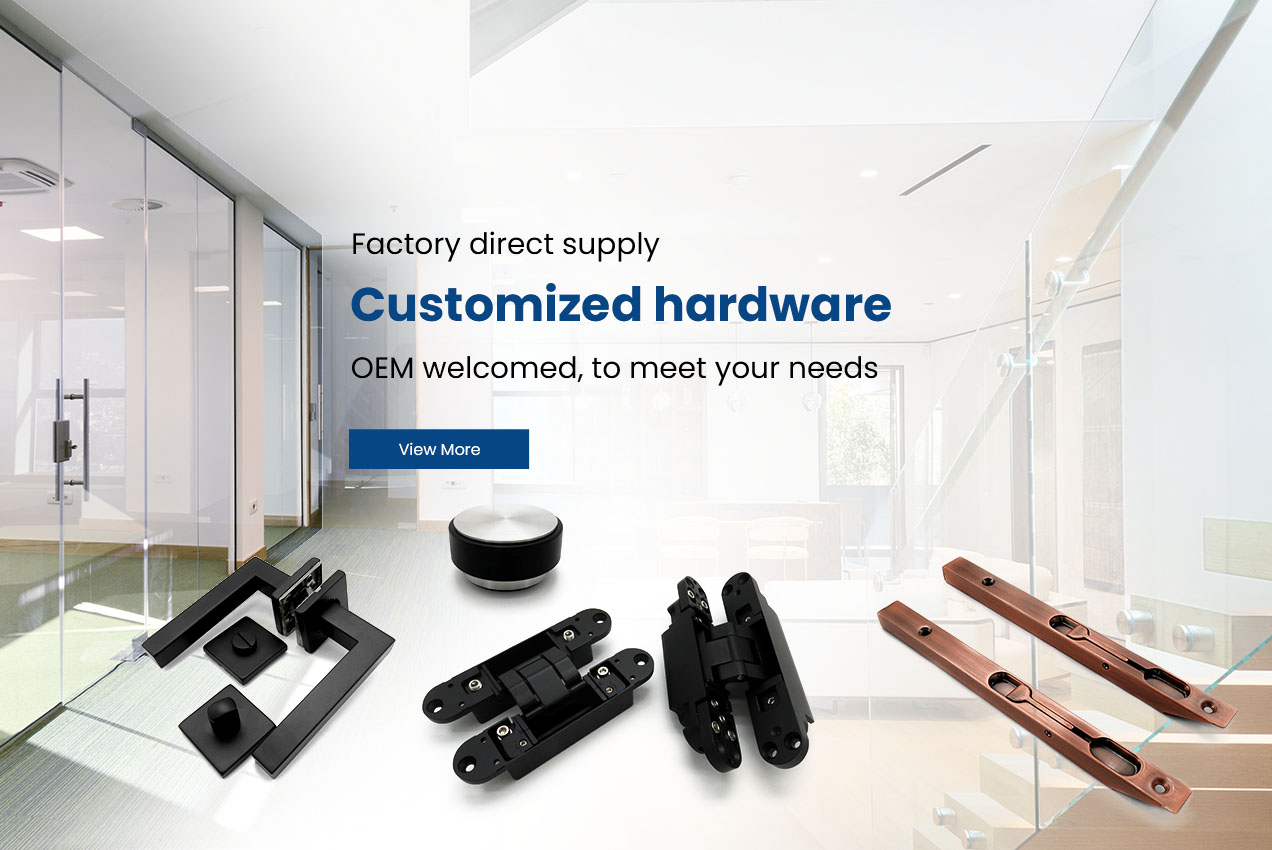
YAKO provides a wide range of door hardware accessories, including handles, hinges, locks, stoppers, pull handles, and related fittings. This makes it easier to coordinate finishes, dimensions, accessories, packaging, and inspection standards across one project. When buyers need certifications for door hardware, YAKO can help review the required market direction and prepare product information more efficiently.
Certification planning should be completed before order confirmation, not after goods are finished. The most efficient export process starts with market confirmation, continues with standard matching, and ends with inspection records that support customs, sales, installation, and after-sales service.
Reliable certification preparation helps door hardware move through export channels with fewer delays and fewer disputes. YAKO’s manufacturing experience, product range, and export-oriented support give buyers a practical way to manage compliance while keeping product quality, delivery, and project coordination under control.