info@yako-hw.com
+86-13380989888
0750-3278683





Large hardware orders are difficult to manage when every product looks similar but performs differently. Door Handles, Hinges, locks, pull handles, stoppers, and glass fittings may come in many sizes, finishes, materials, and accessory combinations. Without a clear control process, bulk purchasing can face color variation, wrong hole spacing, mixed cartons, missing screws, unstable packaging, and uneven product quality.
Stable hardware quality consistency is important because a project usually installs hardware across many rooms, floors, doors, or buildings. One mismatched finish or wrong accessory may delay installation and create extra sorting work at the warehouse or job site.
Consistency starts before the factory begins making the order. A quotation sheet alone is not enough. Buyers should confirm drawings, material grade, surface finish, dimensions, tolerances, packing method, labeling rules, and inspection standards before bulk production.
ISO explains that quality management principles help organizations foster consistency across product design, development, and delivery. The American Society for Quality also notes that ISO 9001 is used by organizations to demonstrate the ability to consistently provide products and services that meet customer and regulatory requirements.
For door hardware, this means every handle, hinge, lock, or fitting should be produced according to confirmed technical details, not only according to a product name.
A confirmed sample is the reference point for mass production. It should show the approved material, finish tone, surface texture, edge treatment, size, accessory set, and packaging method. When the factory and buyer both keep the same approved sample, quality comparison becomes more objective.
YAKO recommends confirming golden samples before bulk production. These samples help control production consistency hardware requirements during material preparation, surface treatment, assembly, inspection, and packing.
| Consistency Item | What Should Be Confirmed | Risk If Ignored |
|---|---|---|
| Material | Stainless steel, zinc alloy, aluminum alloy, brass, or other material | Different strength and finish reaction |
| Finish | Brushed, polished, black, brass, antique, or customized color | Visible color difference after installation |
| Size | Length, width, thickness, hole spacing | Installation mismatch |
| Accessories | Screws, spindles, plates, Cylinders, keys | Missing or wrong parts |
| Packaging | Inner bag, foam, carton, label | Scratches and warehouse confusion |
| Inspection | AQL level, appearance check, function test | Unclear acceptance standard |
Surface finish is one of the most visible quality points in bulk orders. Even when the structure is correct, finish variation can make the final installation look unprofessional. Brushed stainless steel direction, polishing brightness, matte black coating depth, antique brass tone, and satin finish texture all need stable control.
For mixed hardware categories, such as handles, hinges, locks, and pull plates, finish matching becomes more challenging. Different materials may react differently during plating, polishing, or coating. YAKO supports finish sample confirmation and batch control to help maintain consistent appearance across matched hardware items.
Bulk hardware inspection should not rely on random visual checking after everything is packed. A structured inspection plan helps reduce risk before shipment.
ISO 2859-1 is an international standard for acceptance sampling by attributes and is indexed by acceptance quality limit, commonly called AQL. ISO states that the 2026 version specifies single, double, and multiple sampling plans for lot-by-lot inspection. This provides a recognized method for checking product batches instead of inspecting without a defined rule.
For bulk order quality, practical inspection may include:
Dimension measurement
Surface finish checking
Function operation test
Screw and accessory count
Carton drop or packing review
Label accuracy check
Random opening inspection
Model separation checking
These steps help reduce the chance that defects reach the installation site.
Hardware products are often heavy, compact, and easy to scratch during transport. A beautiful surface can be damaged if handles rub against plates, hinges move inside the carton, or screws are packed loosely. For export orders, packaging should protect products during stacking, loading, sea freight, inland transport, and warehouse handling.
YAKO pays attention to inner protection, carton strength, model labels, accessory bags, and batch separation. Good packaging supports consistent door hardware quality because it protects the product after production is finished.
Many bulk order issues happen because information changes during production but is not updated clearly. Finish changes, logo changes, packaging changes, quantity adjustments, and accessory changes should be recorded in writing.
A practical order file should include:
Final quotation
Approved drawings
Confirmed sample photos
Finish reference
Packing instruction
Order quantity by model
Inspection checklist
Shipping mark requirement
When every department follows the same file, the risk of mixed information becomes lower.
A good sample does not always prove stable mass production. Buyers should evaluate whether the manufacturer can repeat the same result in large quantities. This includes material control, tooling stability, surface treatment control, assembly experience, inspection ability, and export packing management.
McKinsey reported that industrial companies can reduce indirect costs by as much as 15 to 20 percent within 12 to 18 months through better spending data, process improvement, and procurement control. This is relevant to hardware purchasing because inconsistent orders often increase hidden costs through rework, sorting, replacement, and project delays.
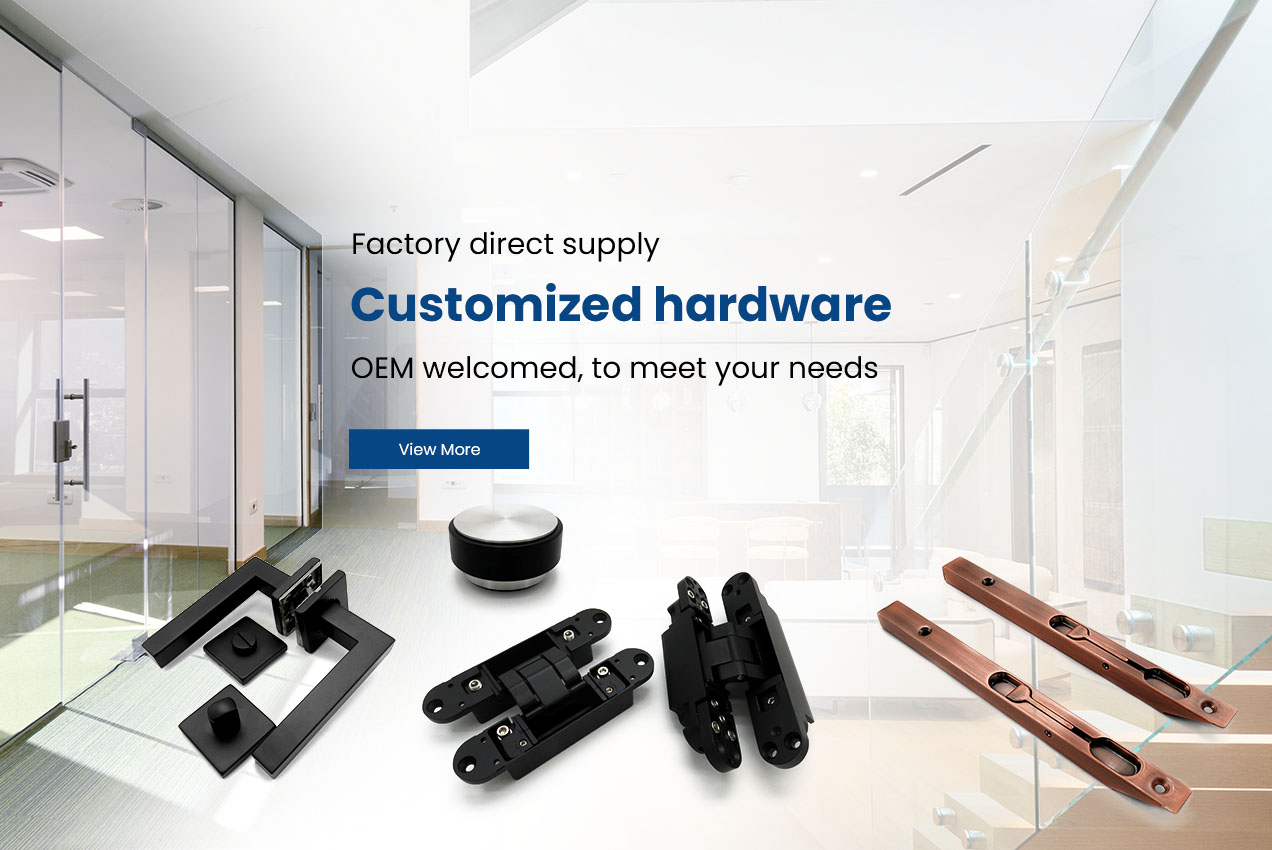
YAKO provides a wide range of architectural hardware accessories, including handles, locks, hinges, pull handles, stoppers, and glass fittings. This product range helps buyers coordinate bulk orders through one manufacturing partner instead of managing different suppliers with different standards.
Before shipment, the order should be checked against the approved sample and final order file. The review should include product appearance, quantity, model labels, accessory completeness, carton condition, finish consistency, and installation-related dimensions.
Strong bulk hardware consistency is not achieved by one inspection at the end. It is built through clear specifications, approved samples, controlled production, structured inspection, careful packaging, and accurate communication.
YAKO supports this process with manufacturer-level order control, matched product supply, surface consistency management, and export packaging experience. This helps bulk hardware orders arrive with better installation readiness, fewer disputes, and more predictable project results.