info@yako-hw.com
+86-13380989888
0750-3278683





Reliable door hardware is not judged only by how it looks in a catalog photo. Buyers need to check material strength, surface finish, installation stability, structure details, packaging protection, and batch consistency before placing an order. Good door hardware quality can reduce replacement risk, lower complaint rates, and support smoother sales after shipment.
Global construction data from Oxford Economics shows that building activity will continue growing toward 2030, while renovation and commercial interior upgrades remain active in many markets. This growth also raises expectations for hardware quality, because doors in hotels, apartments, offices, schools, and public buildings are opened and closed many times every day.
Material is the foundation of durability. Stainless steel, zinc alloy, aluminum alloy, and brass each have different cost levels, surface options, and strength performance. Before purchase, buyers should confirm material grade, thickness, weight, and whether the structure matches the intended use.
For example, stainless steel is often selected for corrosion resistance, while zinc alloy allows more flexible shapes and decorative finishes. A reliable supplier should clearly explain material choices instead of using vague descriptions.
Surface finishing affects both appearance and service life. Poor polishing, uneven plating, color difference, dust marks, peeling, or sharp edges can affect customer acceptance after delivery.
Common finish checks include:
| Inspection Point | What To Check |
|---|---|
| Color consistency | No obvious batch color difference |
| Surface smoothness | No scratches, pits, or rough edges |
| Coating adhesion | Finish should not peel easily |
| Fingerprint control | Important for public-use areas |
| Edge treatment | Corners should feel safe and clean |
Salt spray testing is often used to assess corrosion resistance. Industry practice commonly uses 24, 48, 72, or more hours depending on product material, finish type, and target market requirement.
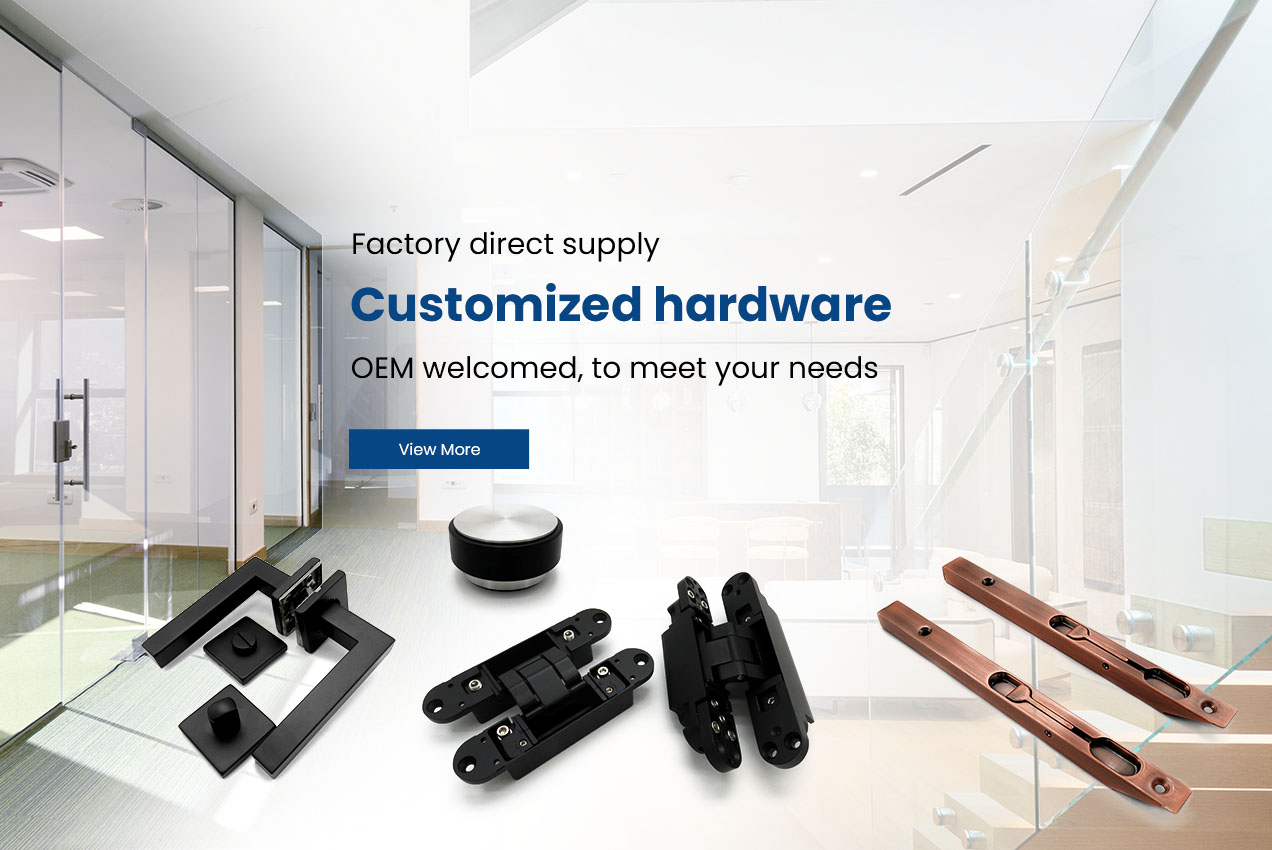
Door Handles, Hinges, stoppers, locks, and accessories must stay stable after repeated use. Loose screws, weak bases, poor alignment, or unstable internal parts can lead to after-sales problems.
A practical hardware quality inspection should include screw fitting, mounting hole accuracy, handle movement, hinge rotation, stopper buffer strength, and lock operation. These details help buyers evaluate whether the product is suitable for real installation rather than only showroom display.
Before confirming bulk orders, ask for available product quality testing information. This may include salt spray test results, cycle test records, coating adhesion checks, load tests, or internal inspection reports.
YAKO supports quality control through material checking, process inspection, surface review, assembly inspection, and final packing checks. For customized orders, approved samples can be used as the reference standard during mass production.
Sample approval is only the first step. The more important part is whether bulk production can stay close to the approved sample.
Buyers should compare:
Product weight
Finish color
Surface texture
Hole position
Screw accessories
Packaging method
Logo position
Installation feel
This is one of the most practical ways to evaluate door hardware quality before shipment. Stable sample-to-bulk consistency helps reduce dispute risk and supports long-term cooperation.
Door hardware is often heavy, sharp-edged, or surface-sensitive. Poor packaging may cause scratches, dents, missing accessories, or carton damage during export transportation.
Good packaging should protect the product surface, separate accessories clearly, and keep cartons strong enough for handling. For private label orders, packaging also affects how the brand is presented to distributors and end users.
YAKO can support customized packaging requirements according to product type, shipment method, and market positioning.
A simple door hardware inspection guide can help purchasing teams make better decisions before ordering. It should include material confirmation, surface finish review, structure testing, accessory checking, packaging review, and final sample comparison.
Clear inspection standards reduce misunderstanding between buyer and manufacturer. They also make repeat orders easier because both sides know what quality level must be maintained.
Choosing door hardware should be based on real performance, not only price or appearance. With proper inspection steps and a reliable manufacturing partner, buyers can reduce procurement risk and build a more stable hardware supply system.