info@yako-hw.com
+86-13380989888
0750-3278683





Architectural hardware is a critical component of modern buildings, providing both functional performance and aesthetic value. From residential homes and office towers to hotels, hospitals, and commercial complexes, architectural hardware helps ensure doors, windows, glass systems, and access points operate safely and efficiently. While often overlooked during the early stages of construction, hardware products directly impact user experience, building security, durability, and long-term maintenance costs.
Architectural hardware refers to the mechanical and decorative components installed on doors, windows, cabinets, glass partitions, and other building elements. These products include door Handles, locks, Hinges, door closers, pull handles, sliding door systems, glass fittings, and Bathroom Accessories.
Unlike standard hardware used for basic residential applications, architectural hardware is typically designed to meet higher standards for durability, performance, appearance, and safety.
The most common application of architectural hardware is in door systems. Door handles, hinges, locks, door closers, and door bolts work together to ensure smooth operation and security.
Commercial buildings often require hardware capable of handling thousands of opening and closing cycles annually, making product quality especially important.
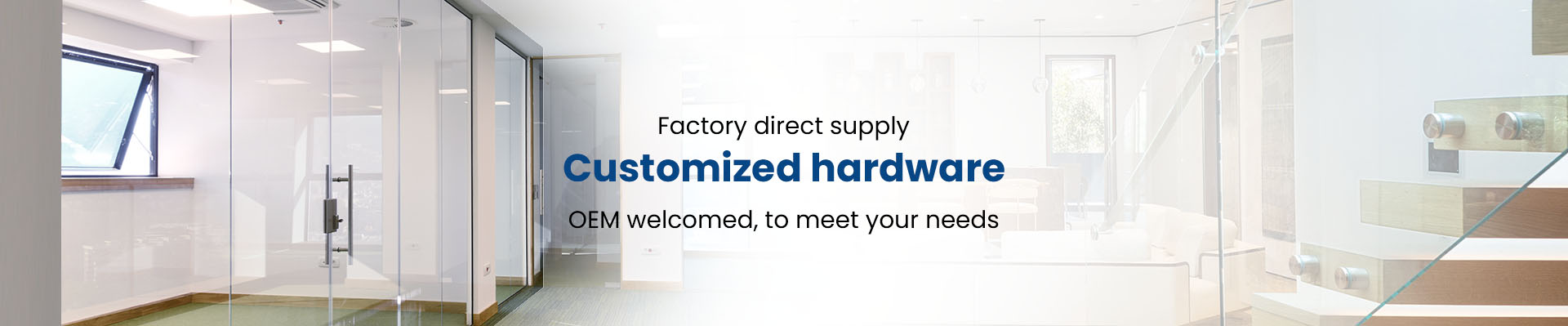
Glass doors have become increasingly popular in offices, hotels, retail stores, and residential projects.
Common glass hardware includes:
Glass clamps
Shower hinges
Patch fittings
Glass door handles
Sliding glass door systems
These components provide structural support while maintaining a modern appearance.
Hotels require large quantities of coordinated hardware products throughout guest rooms and public areas.
Typical hardware requirements include:
| Area | Hardware Products |
|---|---|
| Guest Rooms | Locks, Handles, Hinges |
| Bathrooms | Shower Hardware |
| Corridors | Door Closers |
| Public Areas | Pull Handles |
Consistent finishes and reliable performance are especially important in hospitality environments.
Selecting quality hardware provides several advantages:
Improved building security
Longer service life
Reduced maintenance costs
Better user experience
Enhanced visual appeal
Poor-quality hardware can lead to premature failures, increased repair expenses, and negative impressions of the overall project.
Architectural hardware is commonly manufactured from:
Stainless Steel
Zinc Alloy
Brass
Aluminum Alloy
Stainless steel remains one of the most popular materials because of its excellent corrosion resistance and strength.
Beyond functionality, architectural hardware contributes significantly to architectural aesthetics. Designers often use hardware finishes and styles to complement overall project themes.
Popular finishes include:
Satin Stainless Steel
Matte Black
Brushed Nickel
Polished Chrome
PVD Gold
The right finish can enhance both modern and traditional architectural designs.
Architectural hardware serves an essential role in building functionality, safety, security, and design. Whether supporting door systems, glass installations, hospitality projects, or commercial buildings, quality hardware contributes to long-term project success. Understanding its applications helps architects, contractors, distributors, and developers make more informed purchasing decisions.